
“Home Inspection Cloud-Based Software: Simplify, Sync, and Streamline Your Workflow.”
Introduction
Home inspection cloud-based software is a powerful tool designed to streamline workflow for home inspectors by digitizing and automating key processes. This technology allows professionals to conduct inspections, generate reports, manage scheduling, and store data securely in the cloud—accessible anytime from any device.
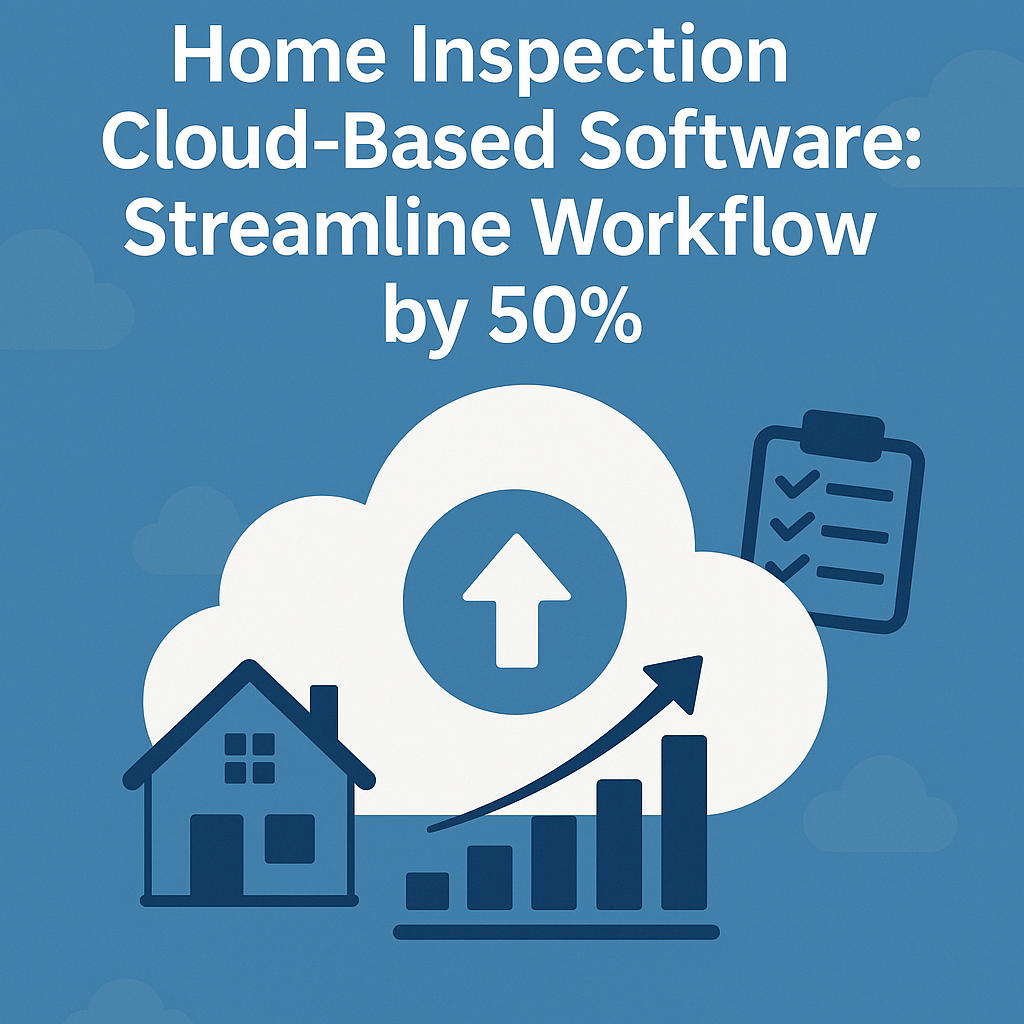
By eliminating manual paperwork and improving communication between inspectors, clients, and real estate agents, cloud-based solutions enhance productivity, accuracy, and overall efficiency throughout the inspection process.
Benefits Of Cloud-Based Software For Home Inspectors
The adoption of cloud-based software within the home inspection industry has significantly transformed how inspectors manage their operations, conduct evaluations, and interact with clients. This technological advancement offers numerous benefits that streamline workflow and enhance overall efficiency.
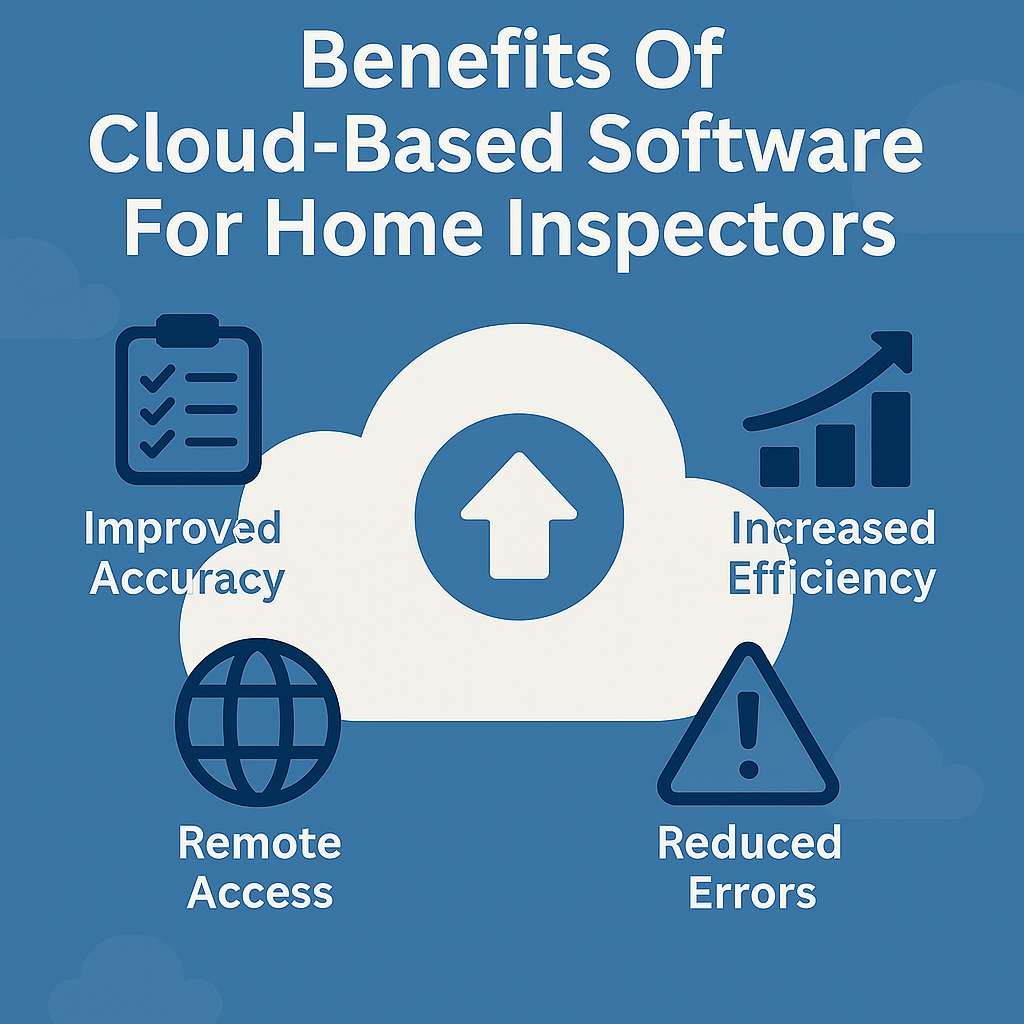
By leveraging cloud computing capabilities, home inspectors can access a centralized platform for organizing data, generating reports, and maintaining seamless communication—all while reducing reliance on traditional paper-based methods or cumbersome desktop applications.
Software accessibility
One of the most notable advantages of cloud-based software is its accessibility. Because data is stored remotely on secure servers rather than localized hardware devices, inspectors can retrieve information from virtually any location with internet connectivity. This flexibility not only supports fieldwork but also enables real-time collaboration between team members and office staff.
As a result, tasks such as updating reports or reviewing client feedback no longer require physical presence in an office environment. Consequently, this contributes to faster response times and more efficient service delivery.
Scalability
In addition to enhanced mobility, cloud solutions provide superior scalability compared to conventional systems. For small businesses or independent contractors just beginning their careers in home inspection, investing in infrastructure-heavy IT tools may prove costly and inefficient.
Cloud-based platforms allow users to scale services according to need without significant capital investment—whether by expanding storage capacity or integrating new features tailored to evolving business requirements. This dynamic adaptability ensures that organizations remain agile amid fluctuating workloads or changing market demands.
Moreover, streamlined data management constitutes another key benefit associated with these technologies. Through automated backups and version control mechanisms inherent in many cloud services, users minimize the risk of losing critical documents due to hardware failure or human error. Additionally, standardizing report formats through customizable templates facilitates consistency across multiple inspections while adhering to regulatory guidelines relevant within specific jurisdictions.
Security concerns are often cited when considering digital solutions; however, reputable providers employ advanced encryption protocols alongside multi-factor authentication processes designed specifically for safeguarding sensitive client data against unauthorized access or cyber threats. These measures typically exceed what smaller firms could implement independently using local IT resources alone—offering peace of mind regarding compliance with privacy standards such as GDPR or other regional regulations.
CRM Solution
Furthermore, integrated customer relationship management (CRM) functionalities found within many modern platforms help foster better communication practices between inspectors and stakeholders including buyers, sellers, agents—and even third-party contractors tasked with repairs post-inspection. Instant notifications about scheduling changes or document availability ensure transparency throughout every stage of the transaction process while also improving overall client satisfaction rates.
Automation tools
Finally, automation tools embedded within cloud software dramatically reduce administrative overhead traditionally associated with manual input tasks like invoicing appointments or compiling detailed inspection summaries by hand. By automating repetitive functions through intuitive user interfaces powered by artificial intelligence algorithms where applicable—inspectors reclaim valuable time which can then be redirected toward core activities such as conducting thorough property assessments.
Summary
In summation, embracing cloud-based software equips home inspectors with powerful tools for enhancing operational efficiency while simultaneously elevating service quality standards expected by today’s consumers in a fast-paced digital landscape.”
How Cloud Technology Streamlines Home Inspection Workflow
The integration of cloud-based technology into the home inspection industry has significantly transformed traditional workflows, offering a more efficient, accessible, and scalable approach to managing inspection operations. As digital transformation continues to redefine service delivery across numerous sectors, home inspectors are increasingly leveraging cloud platforms to optimize performance and streamline their day-to-day activities.
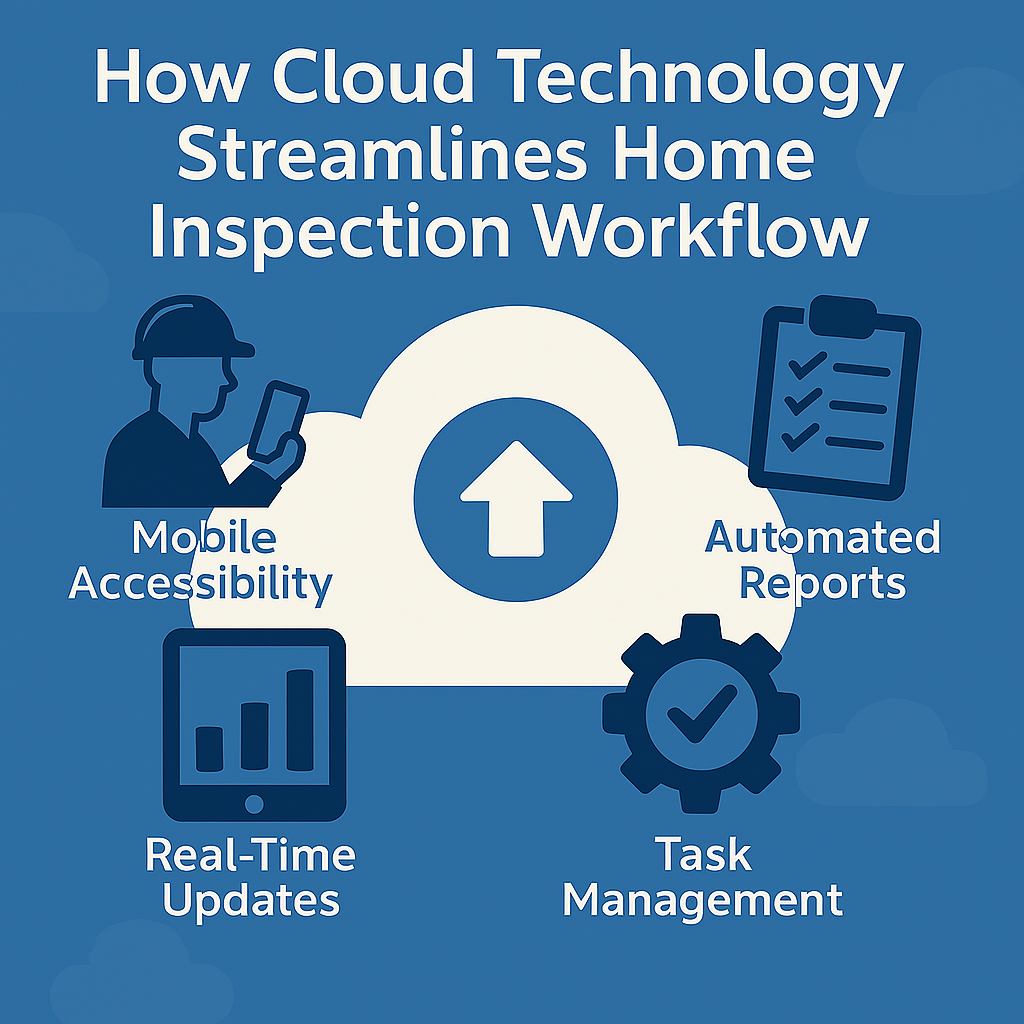
One of the most notable advantages of utilizing cloud-based software is its capacity for real-time data synchronization. In conventional models, home inspectors often relied on manual note-taking or localized computer systems that required subsequent transcription or transfer.
Cloud solutions eliminate these redundancies by allowing professionals to input findings directly into mobile devices during inspections. This not only minimizes errors associated with manual data entry but also ensures immediate availability of information across multiple stakeholders such as clients, realtors, and administrative staff.
Furthermore, seamless access to stored data from any location enhances operational flexibility. Whether working in urban environments or remote areas with varying connectivity levels, users can retrieve previous reports or reference templates via secure login credentials without being constrained by physical storage limitations. The ability to operate across diverse devices — including smartphones, tablets, and laptops — promotes uninterrupted workflow continuity regardless of where inspections occur.
In addition to accessibility benefits, cloud platforms facilitate enhanced collaboration among team members and third parties involved in the inspection process. For instance, shared dashboards enable supervisors to monitor field activity in real time while providing instant feedback if discrepancies arise. Clients can receive comprehensive reports through automatically generated links soon after an assessment concludes—thereby reducing turnaround times and improving overall satisfaction rates.
Equally important is the automated organization of documentation provided by many cloud-based applications tailored specifically for home inspections. With features such as tagging systems, customizable report templates, photo annotations, and searchable archives integrated into these tools by default design principles — managing vast volumes of information becomes significantly less cumbersome than using paper records or generic office software suites.
Moreover, compliance with regulatory requirements is simplified through built-in checks that guide users toward meeting industry standards during each stage of an inspection cycle. This functionality not only ensures consistent quality control but also mitigates legal risks commonly associated with human oversight or procedural deviations in report generation.
Cost efficiency further underscores the appeal of adopting a cloud infrastructure within this professional context. By minimizing reliance on expensive hardware installations and reducing downtime due to system crashes or maintenance needs—cloud solutions lower total ownership expenses over time while simultaneously boosting productivity metrics through optimized task execution paths.
Additionally noticeable are security enhancements inherent in modern cloud services which typically incorporate encryption protocols alongside role-based permissions management frameworks designed for sensitive client data protection purposes—a critical consideration given growing concerns regarding cybersecurity threats within digital ecosystems today.
Taken collectively—from improved accuracy and faster communication channels to better resource allocation strategies—the implementation of cloud technology demonstrably streamlines every aspect of the home inspection workflow ecosystem. As demand for timely yet thorough property assessments grows amidst evolving market conditions; those who invest early in robust digital infrastructures will be best positioned not only to meet current expectations but also adapt proactively as future innovations emerge within this dynamic field.
Top Features To Look For In A Home Inspection Cloud Platform
When evaluating cloud-based software for home inspections, it is imperative to consider the platform’s features with a focus on enhancing efficiency, accuracy, and overall workflow management. A well-designed system should not only support inspectors in conducting thorough evaluations but also streamline communication, documentation, and reporting processes across all stages of an inspection. Given the growing complexity of property assessments and the demand for real-time data access, selecting a comprehensive solution becomes vital.
Mobile accessibility
One of the most critical features to look for is mobile accessibility. A robust cloud-based platform should be accessible through smartphones or tablets to allow inspectors to input data directly at the site without relying on paper notes or delayed manual entry later. This functionality enables instant synchronization between fieldwork and administrative processes, reducing errors while improving turnaround times. Furthermore, offline capabilities are equally important as they ensure uninterrupted operation even when internet connectivity is unavailable during remote inspections.
Report And Template
Equally essential is automated report generation. The ability to compile findings into professional reports efficiently saves valuable time and guarantees consistency across documents. Look for platforms that offer customizable templates which adhere to industry standards while allowing personalized branding elements such as logos or color schemes. Integration with multimedia tools—including photo annotation and video embedding—further enhances report clarity by providing visual context alongside written observations.
Scheduling and Booking
In addition to streamlined reporting functions, scheduling and calendar integration play a key role in operational efficiency. A centralized dashboard that allows users to assign tasks, set deadlines, send reminders, and manage appointments ensures better coordination among team members while minimizing booking conflicts or delays. Ideally, this feature would sync seamlessly with external calendar applications like Google Calendar or Outlook for added convenience.
Communication
Moreover, effective client communication tools are indispensable within a cloud-based inspection environment. Features such as automated email notifications upon status updates or built-in messaging portals help maintain transparency throughout the process by keeping clients informed from booking through final delivery of reports. Secure document sharing further reinforces trust by ensuring sensitive information remains protected under encryption protocols compliant with legal regulations.
Data analytics
Data analytics capabilities present another layer of value in modern home inspection platforms. By offering insight into performance metrics—such as average inspection duration per property type or frequency of specific issues identified—the software supports strategic decision-making aimed at continuous improvement efforts within an organization.
Furthermore, scalability must be considered when choosing any digital infrastructure intended for long-term use. As businesses expand their services regionally or nationally—or onboard more staff—a scalable solution will accommodate increased usage demands without compromising speed or reliability.
Lastly but importantly is customer support availability provided by the software vendor itself. Continuous access to training resources such as user manuals, tutorials via webinars or videos—and responsive technical assistance—is essential in maximizing productivity over time while minimizing downtime due to unfamiliarity with certain functions.
Summary
identifying a cloud-based home inspection platform that includes these top-tier features fosters greater precision in reporting procedures while facilitating seamless collaboration among stakeholders involved in each project phase—all contributing toward a more streamlined workflow environment overall.
Improving Team Collaboration With Cloud-Based Inspection Tools
In the realm of residential and commercial property evaluations, effective team collaboration plays a critical role in ensuring accurate, timely, and comprehensive home inspections. As inspection processes become increasingly multifaceted, with multiple stakeholders involved at various stages—from inspectors to administrative staff—traditional methods often fall short in facilitating seamless communication and task coordination. To address these limitations, cloud-based inspection tools have emerged as transformative assets for improving team collaboration within home inspection workflows.
By leveraging centralized data access through the cloud, inspection teams can interact with real-time information regardless of their geographical location. This ubiquitous access significantly reduces delays caused by disconnected communication channels or misplaced documentation.
Instead of relying on paper reports or fragmented digital files stored across disparate devices, all authorized personnel can consult a single source of truth that is continuously updated during the course of an inspection project. Consequently, this promotes synchronized decision-making and accelerates response times when issues arise.
Moreover, cloud-based platforms offer integrated functionalities such as shared calendars, checklists, annotation features on images or floor plans, and task assignment modules—all designed to enhance cooperative engagement among users. For instance, inspectors in the field can instantly upload findings via mobile applications while office personnel review submissions concurrently for completeness or regulatory compliance. The ability to provide immediate feedback enables iterative improvements without disrupting ongoing tasks.
Another advantage lies in version control capabilities inherent to many cloud-based systems. These allow teams to maintain detailed logs of edits and updates made over time—a crucial aspect when coordinating revisions between team members working across different shifts or locations. Version tracking not only prevents redundancies but also preserves accountability by maintaining a clear audit trail linking each action to its corresponding user.
Security protocols embedded within reputable cloud software further reinforce collaborative efforts by safeguarding sensitive client information while still granting customizable permission levels according to specific roles within an organization. Inspectors may require full editing privileges; meanwhile administrative staff might be limited to view-only access depending on internal policies or data protection regulations such as GDPR or CCPA requirements.
Furthermore, automated notifications generated through these platforms play an instrumental role in sustaining momentum throughout lengthy projects involving multiple collaborators. Reminders about upcoming deadlines or alerts related to incomplete sections ensure that no part of the process falls behind schedule due simply to oversight—thereby reducing operational inefficiencies associated with manual follow-ups.
It is also important to recognize how scalable architecture found in most modern cloud solutions accommodates organizational growth without compromising performance quality for larger teams handling increased workloads over time. Whether onboarding new hires remotely or incorporating subcontracted professionals into specific assignments temporarily, the flexible design supports rapid integration into existing systems with minimal disruption.
Ultimately, adopting cloud-based home inspection software fosters a collaborative ecosystem grounded in transparency and efficiency—a significant evolution from traditional practices hampered by physical constraints and limited interoperability among team members’ tools and devices.
As industry demands continue evolving toward greater precision and responsiveness under tightened regulatory scrutiny and heightened customer expectations alike, investing in technology that enhances collective workflow emerges not only as advantageous but imperative for sustained success in today’s competitive landscape.
Saving Time And Reducing Errors With Digital Inspection Reports
The implementation of cloud-based software in the field of home inspection has revolutionized the way professionals manage their workflows, particularly through the introduction of digital inspection reports. This technological advancement offers a streamlined approach that not only enhances operational efficiency but also significantly reduces human error. In an industry where accuracy and timeliness are paramount, the shift from traditional paper-based methods to digital platforms represents a critical evolution.
Save Time
One of the most significant advantages afforded by cloud-based solutions is the ability to save time during both data collection and report generation processes. Traditionally, inspectors were required to manually record observations on-site and later transcribe this information into formal reports—a method susceptible to transcription errors and inefficiencies.
Digital inspection tools eliminate these redundancies by allowing real-time data input directly into standardized templates via mobile devices or tablets. Consequently, inspectors can document findings instantly, attach high-resolution images with annotations, and utilize voice-to-text features for rapid note-taking—all within a single integrated platform.
Reduce Errors
Moreover, automated functionalities inherent in cloud-based systems further minimize errors commonly associated with manual reporting. Features such as drop-down menus for common issues, spell-check tools, predefined checklists aligned with industry standards, and customizable fields ensure consistency across inspections while mitigating risks linked to subjective interpretation or omission of essential details. These capabilities promote uniformity not only among different users but also across various types of properties being assessed.
Collaboration
In addition to improving individual performance metrics, cloud-based home inspection software facilitates enhanced collaboration among stakeholders. Through centralized access portals secured via encrypted connections, clients—including property owners, buyers, agents—can retrieve up-to-date reports instantaneously from any internet-enabled device. This immediate accessibility contributes not just to transparency but also accelerates decision-making timelines in real estate transactions or maintenance planning activities.
Data management
Equally important is how these platforms support long-term data management strategies. By storing historical records securely in remote servers rather than physical file cabinets or local hard drives prone to loss or damage, companies ensure compliance with regulatory documentation requirements while maintaining quick retrieval mechanisms when referencing past inspections becomes necessary.
Over time, this archival system enables comparative analysis that can identify recurring patterns or systemic faults within specific building types or geographic regions—insights otherwise difficult to ascertain through disconnected paper files.
Additionally contributing to reduced administrative burden is the automation of ancillary tasks such as invoicing clients upon report completion or scheduling follow-up inspections based on flagged issues requiring re-evaluation. Such integrations between core functions increase overall productivity without necessitating additional personnel resources.
Given these multifaceted benefits—from expedited reporting processes and diminished inaccuracies to improved client communication and scalable record-keeping—it becomes evident that adopting cloud-based home inspection software constitutes more than mere technological preference; it emerges as an indispensable tool for modern practice sustainability and quality assurance adherence alike.
As innovations continue refining functionality within this domain further still—through artificial intelligence integration or predictive analytics—the imperative for embracing digital transformation will become increasingly pronounced across all tiers of residential assessment services.
Enhancing Client Communication Through Cloud-Based Solutions
In the contemporary landscape of residential property assessment, cloud-based software has emerged as a pivotal tool for enhancing operational efficiency and client engagement. As home inspection services increasingly embrace digital transformation, one of the most significant advancements lies in the domain of communication between inspectors and clients.
The integration of cloud-based platforms into everyday business practices allows for streamlined interactions, fostering clarity, transparency, and responsiveness throughout the inspection process.
Real-time Sharing
A primary benefit offered by cloud-based home inspection software is real-time information sharing. Traditionally, communication between inspectors and clients was hindered by delays in report delivery or limited access to physical documentation. Cloud solutions mitigate these constraints by enabling instant upload and retrieval of inspection data from any location with internet connectivity. This immediacy facilitates quicker decision-making on the part of homeowners, buyers, or agents who rely on timely insights to inform their next steps.
Message Delivery
Moreover, centralized data storage within cloud infrastructure supports consistency in message dissemination across all stages of an inspection project. Clients can easily view annotated images, detailed findings, recommendations for repairs or maintenance issues—all presented through intuitive dashboards designed to enhance user understanding. By ensuring that all stakeholders have access to uniform information at every phase of an inspection’s lifecycle, misunderstandings are minimized and client satisfaction is bolstered.
Document accessibility
In addition to streamlining document accessibility, many cloud-based systems also incorporate automated notification features such as email alerts or mobile push notifications when reports are updated or actions are required from either party. These mechanisms contribute not only to improved workflow continuity but also foster a sense of engagement among clients who feel more informed and involved throughout the process.
Customization
Furthermore, interactive reporting tools included in many modern platforms enable customization according to client preferences. For instance, users may choose specific formats for receiving reports—such as PDF summaries accompanied by multimedia content—or adjust viewing permissions so that particular sections are highlighted based on relevance. Such flexibility empowers both inspectors and clients by creating communicative environments tailored toward mutual convenience without compromising professional standards.
From a broader perspective, these technological enhancements support long-term relationship-building between service providers and clientele by positioning transparency as a core operational value. Clients who experience seamless exchanges facilitated via cloud tools often demonstrate higher levels of trust in their chosen inspector’s capabilities—a factor which may translate into repeat business opportunities or referrals over time.
Additionally noteworthy is the role that secure encryption protocols play within reputable platforms; safeguarding sensitive information while maintaining regulatory compliance adds another dimension to effective communication strategies within this sector. In turn, this strengthens confidence among clients regarding how their personal data—including property details—is managed during assessments conducted through digital means.
Ultimately, integrating cloud-based home inspection software creates an ecosystem where clear communication becomes not only possible but optimized through intelligent design choices rooted in modern computing technologies.
As demand continues to grow for efficient yet comprehensive reporting methods across various segments of real estate activity—including pre-sale inspections or ongoing maintenance evaluations—the importance of enhancing client interaction via robust digital frameworks will undoubtedly remain paramount within industry best practices moving forward.
Conclusion
Home inspection cloud-based software significantly streamlines workflow by centralizing data management, automating reporting processes, enhancing real-time collaboration, and enabling remote access across devices. This leads to increased efficiency, reduced administrative tasks, improved accuracy in inspections, and faster turnaround times—ultimately improving productivity and client satisfaction for home inspectors.
One cloud-based option, from the team behind this blog, is SmartDify home inspection software. It runs on iPhone, Android, tablet and desktop, and gives clients and agents their own secure portals.